
THE ASV BLOG
— by JANICE NINAN

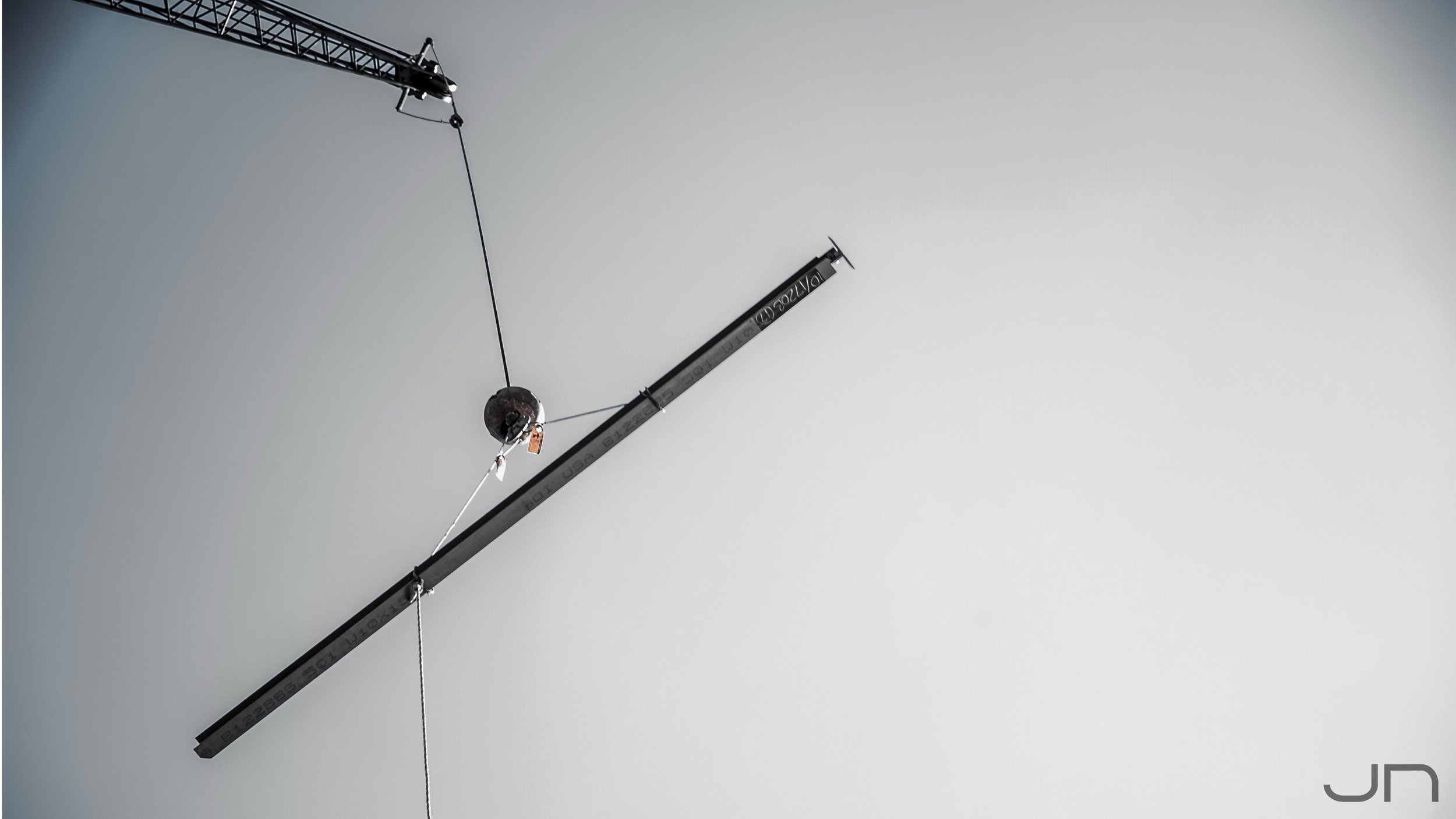
GUARDIANS OF PROJECT THRESHOLDS
Threshold Thursdays | How Architecture Projects cross from Vision to Reality
In architecture, thresholds are more than doors or passages. They are transitions—moments of pause, decision, and transformation. But thresholds exist not only in physical buildings. Every architectural project process itself is a sequence of thresholds, each one carrying a vision forward into reality. From idea to realization, we pass through stages—each one demanding clarity, leadership, and decision-making.
As I study for my ARE Project Management exam, I’ve been struck by how crucial it is for an architectural project manager to serve as a guardian of thresholds. They ensure that each phase of a project is navigated smoothly, protecting both design intent and practical execution. Without careful stewardship, the vision risks getting lost in translation.
Let’s walk through these project thresholds—moments where ideas shift, details sharpen, and the paper project begins to breathe.
1. Conceptual Design → Schematic Design
Threshold of vision. Ideas become drawings. A dream begins to take form.
Every project begins in the realm of imagination—sketches, conversations, big ideas. Crossing into schematic design means translating that spark into something tangible. It’s the moment when dreams gain structure, when a vision can finally be communicated beyond words.
A project manager ensures this threshold is crossed with clarity—capturing intent while keeping scope, budget, and client expectations aligned.
2. Schematic Design → Design Development
Threshold of refinement. Big moves give way to detail. Choices of material, systems, and budget become real.
At this stage, the work deepens. Materials, systems, and spatial relationships are defined. What was once broad strokes now becomes a composition of interlocking parts.
It is a threshold where the romance of an idea meets the rigor of decision-making. A project manager coordinates disciplines—structural, mechanical, electrical—ensuring integration without compromise.
3. Design Development → Construction Documents
Threshold of precision. The project shifts from “what if” to “this is how.” Drawings become instructions.
Here, design becomes instruction. The drawings evolve from expressive to exacting, offering a roadmap for those who will bring the building into being.
Crossing this threshold requires absolute discipline. Every line must be intentional, every detail coordinated. The project manager oversees deliverables, timelines, and accuracy—because a missed detail now can snowball into a costly mistake later.
4. Construction Documents → Bidding and Negotiation
Threshold of translation. The design must be read, priced, and trusted by those who will build it.
This is where design leaves the architect’s desk and enters the marketplace. Drawings must be legible not just as ideas, but as commitments—costed, priced, and scheduled by contractors.
The project manager acts as interpreter, ensuring that the design intent is understood, that bids are competitive and fair, and that no misstep erodes the integrity of the project.
5. Bidding → Construction Administration
Threshold of execution. The paper project becomes built reality. The PM ensures alignment of design intent, budget, and schedule.
Now, the paper world becomes material. The ground is broken, steel rises, concrete sets.
This is a turbulent threshold—full of change orders, unforeseen conditions, and the push-pull of budgets and deadlines. Here, the project manager is a constant presence, balancing client expectations, contractor realities, and architect intentions. Without them, the project risks losing its center.
6. Construction → Occupancy
Threshold of life. A building is handed over and begins its dialogue with the people it was made for.
The final threshold is not an end, but a beginning. A building is handed over. Lights turn on. People move in.
At this moment, the project ceases to be drawings and details—it becomes lived experience. The architecture speaks, and its volumes are measured not just in square feet, but in the lives it holds.
Why Project Managers Matter
Each of these thresholds is fragile. They are points of transition where missteps can derail progress or compromise intent. A skilled project manager is more than a scheduler—they are the bridge between vision and execution. They hold space for both the dream of the architect and the realities of construction by implementing a Standard of Care.
Without them, projects stall. With them, projects thrive.
The Project Manager is the steward of these thresholds. They ensure smooth passage through each stage, holding the vision steady while navigating time, cost, and scope.
Not every threshold is easy—but each is necessary. Without crossing them carefully, the project risks losing its integrity.
👉 Question : Which project threshold feels most critical to you: vision, detail, execution, or life? Share your comments below.
Closing Reflection
Thresholds remind us that architecture is never static. It is a continual act of becoming—on paper, in construction, and in life. As designers, builders, and managers, our role is to guide projects through these passages with care.
Because every threshold crossed is one step closer to the realization of architecture that speak volumes!

WHY ‘ARCHITECTURE SPEAKS VOLUMES’?
The story behind the studio, the vision, and the name.
Some buildings whisper. Some shout.
But the ones that matter—speak volumes.
Architecture Speaks Volumes was born from that idea: that spatial design isn’t just about structures or style—it’s about memory, movement, silence, and story. It’s about how space makes us feel, what it helps us remember, and what it says about who we are.
This is my corner on the www to speak that language with purpose.
A Voice Through Design
I’ve spent almost two decades immersed in architecture—drawing, building, teaching, wandering. I’ve walked streets emptied by earthquakes, sat under trees older than empires, stood still in rooms where light alone told the story. These moments have shaped how I see space, and why I believe it’s never just background. Its presence.
After years of holding this vision quietly, I launched Architecture Speaks Volumes LLC DBA Design Speaks Volumes to give it form. This is more than a design studio—it’s a way of thinking, a way of creating, and a way of connecting.
What Lives Here
ASV is made of many parts, each with its own voice:
• Design Speaks Volumes : A creative services wing of Architecture Speaks Volumes LLC that is dedicated to thoughtful, intentional design projects.
• The ASV Vlogs | Where is Janice? : Visual stories about travel, design, space, and creative process.
• The ASV Edit: A boutique featuring scarves, photographs, and curated objects.
• The ASV Blog: This space—a place for ideas, reflections, and untold stories.
• The Book: A memoir in progress, shaped by my time in Japan during the 2011 earthquake and tsunami.
Together, these threads form a practice that values design as storytelling—and storytelling as a kind of design tool.
What to Expect From This Blog
Here, I’ll share thoughts on spatial design, place, and materiality—sometimes poetic, sometimes practical. You might find travel stories. Sketches. Design musings. Reflections on silence, sound, memory, and form. Maybe even fragments from the book I’m writing.
This isn’t just a blog. It’s a journal. A window. A conversation.
Let’s Build This Together
Thank you for being here at the beginning. Whether you’re a fellow creative, a design enthusiast, or someone who just believes that space matters—I’m glad you’ve arrived.
There’s more to come, and I hope you’ll stay a while.
Subscribe, reach out, share a thought. Let’s see where this story leads.
Because when architecture speaks volumes,
it’s not just my voice—it’s ours.
Welcome to ASV.
Janice Ninan
Founder | Creative Director
Architecture Speaks Volumes