
THE ASV BLOG
— by JANICE NINAN

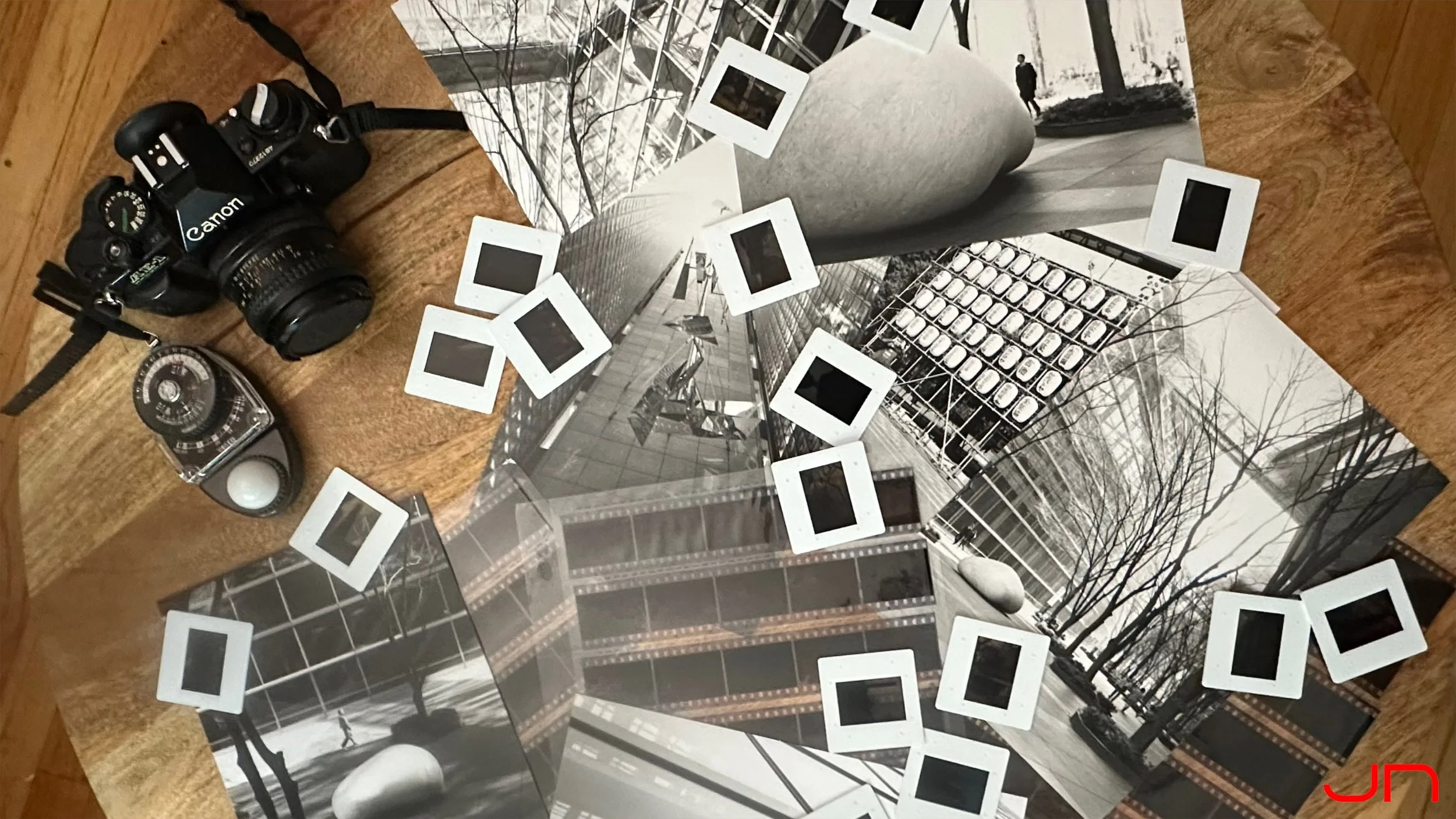
THE CAMERA AS A THRESHOLD
Threshold Thursdays | Framing, Exclusion, and the Architecture of Narrative
In architecture, thresholds mark transitions—between inside and outside, light and shadow, public and private. Photography works the same way. Every time a photographer picks up a camera, they draw an invisible border around a moment. What falls inside the frame becomes the story. What falls outside becomes speculation, imagination, or omission.
A photograph is never just a record.
It is a constructed threshold.
The Photographer as Architect of the Frame
Just as architects orchestrate a person’s first impression of a built space, photographers orchestrate what a viewer will encounter when they step into an image. The frame becomes an intentional piece of authorship—a portal designed by the photographer.
Tilt the camera slightly, and the scene becomes unstable.
Shift left a few inches, and a new character enters the story.
Crop out a background element, and the emotional charge changes completely.
The photographer is not simply a documentarian; they are a designer of narrative space through the images they capture.
What the Frame Reveals—and Conceals
Every photograph is a negotiation between presence and absence.
What is included becomes evidence.
What is excluded becomes silence.
This is where photography and architecture meet. Both disciplines manipulate:
Edges
Sightlines
Boundaries
Perspective
Interpretation
A photograph of a serene street corner may hide the chaos outside the frame. A portrait might capture vulnerability while concealing the world pressing in just beyond the lens. The viewer steps through the threshold and fills in the missing context from their own experiences, biases, and fantasies.
The Viewer as Co-Author
Once a photograph is released into the world, its meaning expands beyond the photographer’s intent. Viewers bring their own memories, cultures, and emotional histories to the frame. They fill the negative space with their own narrative.
This is the quiet power of photography:
Two people can stand before the same image
and walk away with two entirely different stories.
The frame is fixed,
but the interpretation is fluid.
Photography as a Narrative Tool in Design
For architects and designers, photography becomes more than documentation. It becomes a method of storytelling—of guiding how others see our work or our world.
A tight crop might focus on texture and materiality.
A wide shot may reveal relationships, boundaries, or context.
A long exposure might whisper something about time, movement, or ritual.
When we photograph architecture, we are not merely recording the built environment. We are shaping how others will enter it—through our lens and our chosen threshold.
Conclusion: The Ethical Threshold
With authorship comes responsibility.
Just as architects consider the social and cultural impact of their designs, photographers must ask: What stories am I choosing to make visible? What am I leaving out—and why?
Every frame is an ethical decision.
The camera is not neutral.
The threshold is not accidental.
And the narrative is never singular.