
THE ASV BLOG
— by JANICE NINAN

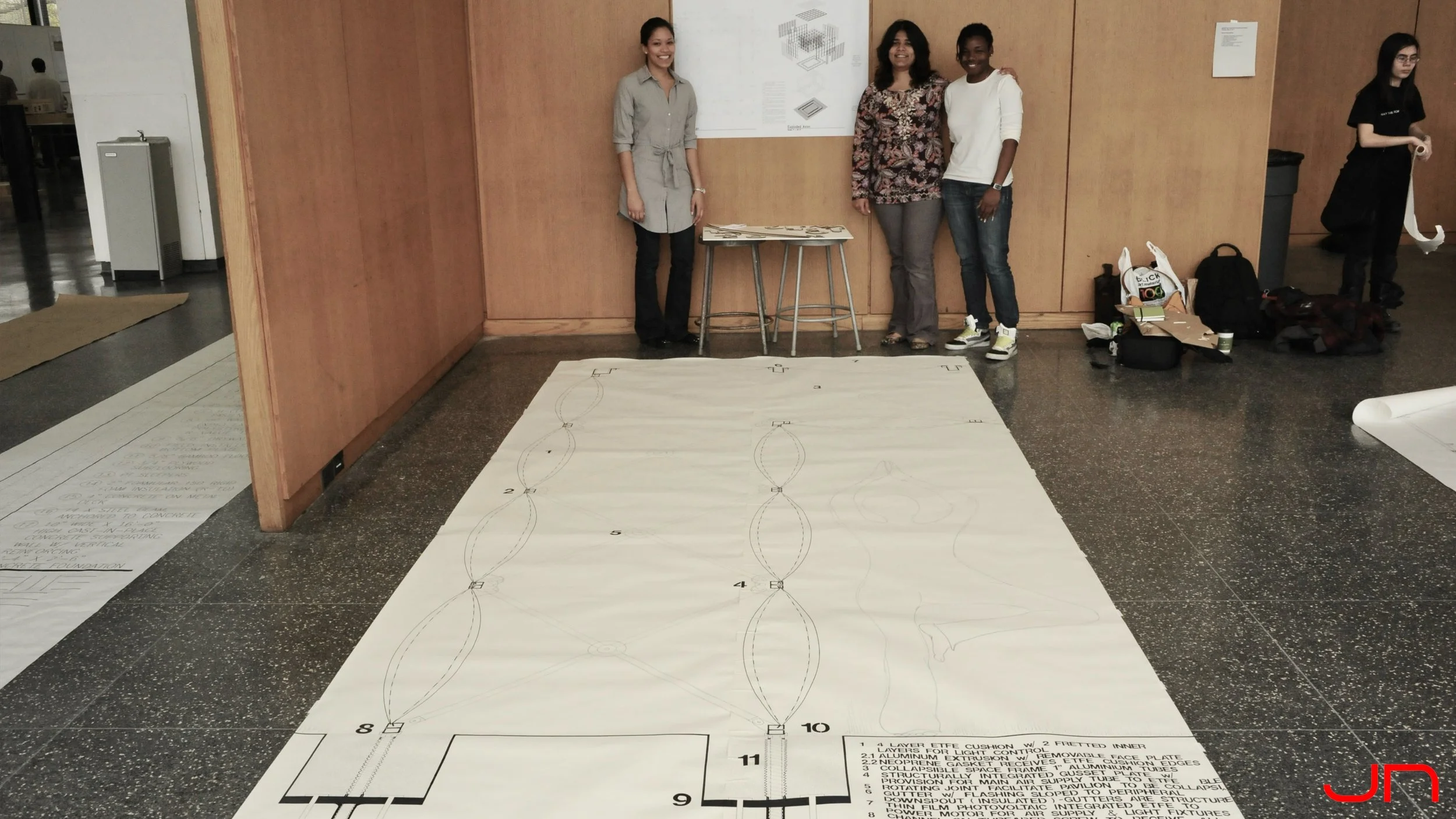
INSTRUMENTS OF SERVICE
Studio Saturdays | How Architects communicate Vision…
Every profession has its instruments.
Musicians have sound.
Writers have words.
Surgeons have scalpels.
For architects, the instrument isn’t bricks or mortar — it’s the drawings, models, and documents we create to bring ideas into the world.
In architectural practice, these are formally called “instruments of service.” They’re the sketches on trace paper, the CAD files on a glowing screen, the renderings that sell a vision, the construction documents that guide a builder’s hand. They’re not the building itself — but they’re the essential bridge that connects imagination to construction.
What Are Instruments of Service?
Legally, the American Institute of Architects defines instruments of service as any representation an architect produces: sketches, plans, specifications, models, or digital files. These are protected intellectual property — meaning they belong to the architect who created them, even if a client commissions the work.
This protection matters because architecture is both art and service. Our instruments are how we speak our design language. They can’t be copied, repurposed, or built upon without the author’s permission.
Why They Matter
When I first encountered the term, it sounded abstract — almost clinical. But over time, I realized just how central these instruments are to architectural practice.
1. They Protect Vision
An architect’s instruments of service are a safeguard. They ensure that your design intent isn’t misinterpreted or altered without your input.
2. They Define Scope
Instruments of service clarify what a client is paying for and how those deliverables can be used. They make the invisible — design labor — visible.
3. They Shape Process
Every drawing, sketch, or file is a step in a larger story. Instruments of service are iterative, evolving as ideas move from concept to construction.
From Studio to Practice
I think of all the tools I’ve used in my own journey: ink drawings, watercolor sketches, cardboard models cut late at night, and now the digital languages of CAD, Rhino, and Revit.
Each one was an instrument — some quick and messy, some precise and technical. In studio, they were part of the creative process. In practice, they became legally binding documents.
What struck me is how fluid the boundary is: the same pencil sketch that sparks a concept can eventually live inside a contract drawing. Both are instruments of service, just speaking at different volumes.
Beyond the Legal Definition
But instruments of service aren’t just about protection or liability. They’re about storytelling.
A sketch persuades.
A rendering inspires.
A set of documents instructs.
They’re how we share imagination with others — translating thought into form, and form into reality. They’re also how we collaborate: with clients, with engineers, with builders, and with each other.
Looking Ahead
As tools evolve, so does the definition of instruments of service. Today, they include BIM models, VR walkthroughs, parametric scripts, and even AI-assisted visualizations. Tomorrow, who knows?
The challenge for architects is to keep authorship while embracing innovation. Because no matter the medium, the core truth remains: instruments of service are the language we use to communicate design.
Reflections
Buildings may last centuries, but before the first stone is laid, they begin as fragile lines on paper, pixels on a screen, or models held together with glue.
That’s the power of instruments of service: they are not the building itself, but the bridge between imagination and construction. They protect, they persuade, they inspire.
And like any instrument — a violin, a pen, a chisel — they demand both skill and care to be played well.
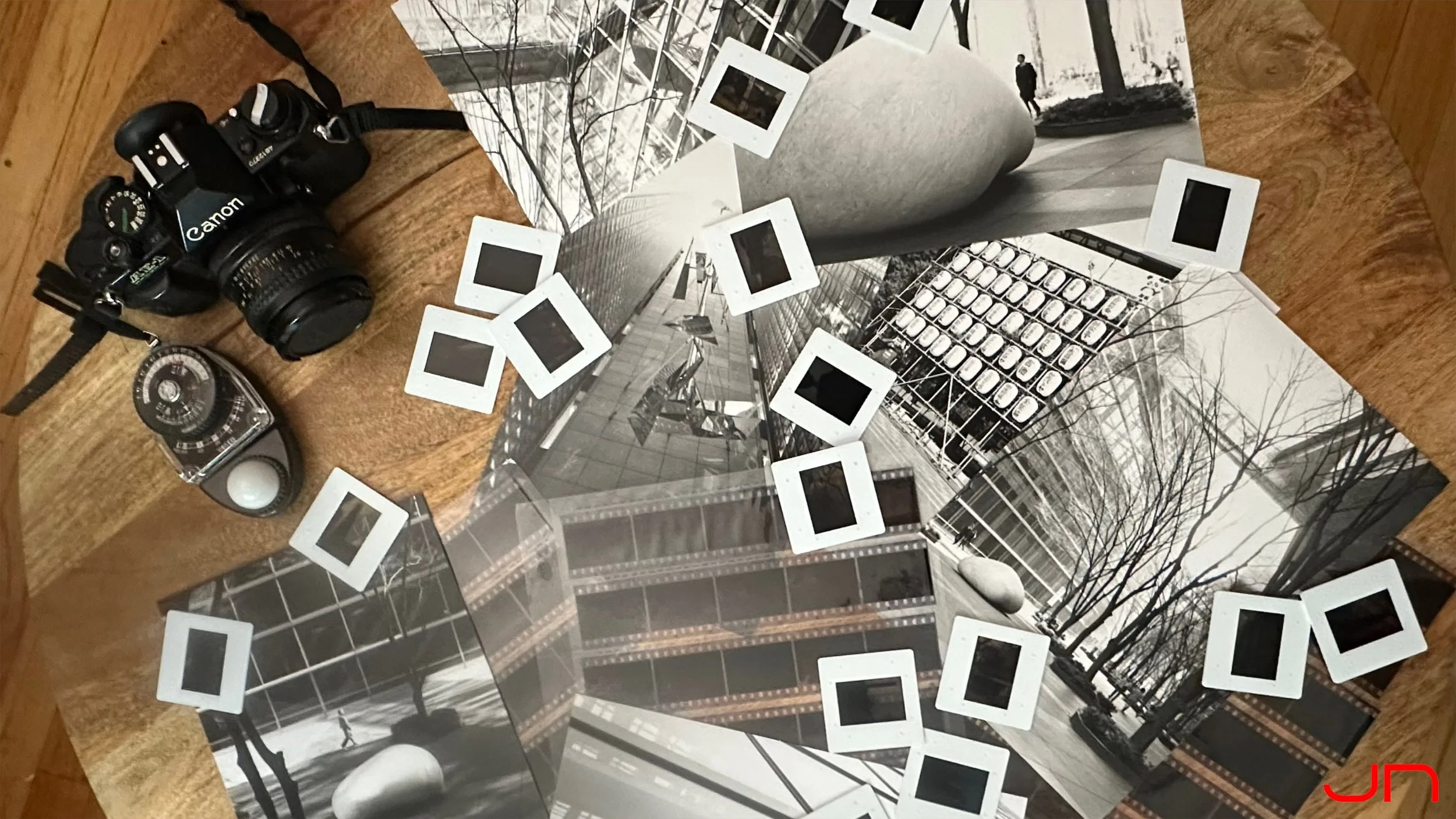
THE CAMERA AS A THRESHOLD
Threshold Thursdays | Framing, Exclusion, and the Architecture of Narrative
In architecture, thresholds mark transitions—between inside and outside, light and shadow, public and private. Photography works the same way. Every time a photographer picks up a camera, they draw an invisible border around a moment. What falls inside the frame becomes the story. What falls outside becomes speculation, imagination, or omission.
A photograph is never just a record.
It is a constructed threshold.
The Photographer as Architect of the Frame
Just as architects orchestrate a person’s first impression of a built space, photographers orchestrate what a viewer will encounter when they step into an image. The frame becomes an intentional piece of authorship—a portal designed by the photographer.
Tilt the camera slightly, and the scene becomes unstable.
Shift left a few inches, and a new character enters the story.
Crop out a background element, and the emotional charge changes completely.
The photographer is not simply a documentarian; they are a designer of narrative space through the images they capture.
What the Frame Reveals—and Conceals
Every photograph is a negotiation between presence and absence.
What is included becomes evidence.
What is excluded becomes silence.
This is where photography and architecture meet. Both disciplines manipulate:
Edges
Sightlines
Boundaries
Perspective
Interpretation
A photograph of a serene street corner may hide the chaos outside the frame. A portrait might capture vulnerability while concealing the world pressing in just beyond the lens. The viewer steps through the threshold and fills in the missing context from their own experiences, biases, and fantasies.
The Viewer as Co-Author
Once a photograph is released into the world, its meaning expands beyond the photographer’s intent. Viewers bring their own memories, cultures, and emotional histories to the frame. They fill the negative space with their own narrative.
This is the quiet power of photography:
Two people can stand before the same image
and walk away with two entirely different stories.
The frame is fixed,
but the interpretation is fluid.
Photography as a Narrative Tool in Design
For architects and designers, photography becomes more than documentation. It becomes a method of storytelling—of guiding how others see our work or our world.
A tight crop might focus on texture and materiality.
A wide shot may reveal relationships, boundaries, or context.
A long exposure might whisper something about time, movement, or ritual.
When we photograph architecture, we are not merely recording the built environment. We are shaping how others will enter it—through our lens and our chosen threshold.
Conclusion: The Ethical Threshold
With authorship comes responsibility.
Just as architects consider the social and cultural impact of their designs, photographers must ask: What stories am I choosing to make visible? What am I leaving out—and why?
Every frame is an ethical decision.
The camera is not neutral.
The threshold is not accidental.
And the narrative is never singular.